

Best overall to check: a home-and-auto bundle if you need both policies; best for households with several vehicles: a multi-car discount; best budget-focused starting point: a low-mileage discount if you drive less. Sanangelo-Insurance is best for San Angelo drivers who want an independent agency to discuss auto insurance choices in 2026.
- The best auto insurance discounts San Angelo drivers should check depend on household needs, mileage, and driving history.
- Compare home-and-auto bundling against separate policies; the discount label does not establish the better deal.
- Sanangelo-Insurance serves San Angelo drivers as an independent insurance agency offering auto and other insurance policies.
- Keep liability limits and deductibles consistent when comparing car insurance quotes.
Why this matters
A discount tells you how a policy is priced, not whether it is your best choice. A discounted policy can still have a higher premium than another policy with comparable protection.
For your 2026 comparison, start with coverage you need and then check which discounts fit your circumstances. Do not remove useful protection just to make a quote look better. A lower premium and a smaller discount can be the better combination.
This guide ranks discount categories by the situations they fit. It does not rank insurers or promise that a particular company offers every discount listed.
What makes the best auto insurance discount?
Use these criteria before choosing a policy:
- Real eligibility: You meet the insurer's requirements without changing facts about your household, vehicle use, or driving history.
- Final premium: The total policy premium matters more than the number of discounts shown.
- Comparable coverage: Liability limits, deductibles, covered drivers, and optional protection match across quotes.
- Household fit: Combining policies makes sense for everyone affected, not just the person requesting a quote.
- Ongoing requirements: You understand any mileage reporting, monitoring, documentation, or renewal conditions.
- Practical trade-offs: You are comfortable with the payment arrangements and information required to keep the discount.
For 2026, choose the policy first and treat discounts as part of the comparison—not the reason to skip it.
Auto insurance discounts at a glance
| Rank and discount category | Best for | Standout benefit | Key limitation |
|---|---|---|---|
| Home-and-auto bundle | Drivers who also need home insurance | Lets you compare combined household insurance costs | Separate policies can be the better choice |
| Multi-car | Households insuring several vehicles | Recognizes multiple eligible vehicles on a policy | Driver and vehicle eligibility still matter |
| Safe-driver or claims-free | Drivers with qualifying records | Uses an existing driving or claims history | Definitions and lookback periods differ |
| Low-mileage | Drivers who use their cars less | Connects eligibility to actual vehicle use | Reporting requirements and mileage thresholds differ |
| Good-student | Households insuring a qualifying student | Uses academic eligibility rather than a vehicle change | Student status and documentation requirements apply |
| Defensive-driving course | Drivers willing to complete an accepted course | Provides a specific eligibility step to investigate | Not every course qualifies with every insurer |
| Usage-based driving program | Drivers comfortable sharing driving data | Lets an insurer evaluate recorded driving behavior | Data collection and pricing consequences need review |
1. Home-and-auto bundle: best for homeowners needing both policies
A home-and-auto bundle places eligible policies with the same insurer or an approved affiliated arrangement. Start here if you already need both types of insurance, but compare the combined result against separate policies.
The home policy deserves its own review. Saving on auto insurance does not settle whether the home's deductibles, exclusions, and settlement terms meet your needs.
Bundle pros:
- Gives you a household-level comparison instead of an auto-only decision.
- Uses insurance needs you already have.
- Creates a reason to review both policies together.
Bundle cons:
- Separate insurers can produce a better overall result.
- A satisfactory auto policy does not establish that the home policy is suitable.
Best for: Homeowners who need both policies and are willing to compare their combined protection.
Ask for the auto premium and home premium separately, plus the combined total. If you rent, ask whether a renters-and-auto arrangement is eligible rather than assuming the homeowners option applies.
Verdict: Buy the bundle only when the combined coverage and premium beat your separate-policy alternatives.
2. Multi-car discount: best for households with several vehicles
A multi-car discount applies when an insurer's requirements for insuring multiple vehicles are met. It is a useful category to investigate when your household has more than one car, but eligibility depends on the policy's ownership, residence, and driver rules.
Do not assume every family member or vehicle can join the same policy. Explain who owns each car, where it stays, and who regularly drives it.
Multi-car pros:
- Addresses a need already present in a multi-vehicle household.
- Lets you compare the household's vehicles together.
- Encourages a review of driver assignments and vehicle use.
Multi-car cons:
- Not every ownership or household arrangement qualifies.
- One combined policy is not automatically the better choice for every driver.
Best for: Households with several eligible vehicles and clear ownership and driver information.
Compare the total for all vehicles, not just the premium attached to your favorite car. Keep each vehicle's protection appropriate to its use and your financial exposure.
Verdict: Buy a combined policy only after comparing it with suitable separate-policy options.
3. Safe-driver discount: best for drivers with qualifying records
Safe-driver and claims-free discounts recognize qualifying driving or claims histories. Those labels are not interchangeable: an insurer can apply different rules to violations, accidents, and claims.
Ask which records count, whose records are reviewed, and when eligibility is checked again. A household policy needs a household-level answer.
Safe-driver pros:
- Starts with your existing record rather than a new purchase.
- Does not inherently require a driving-monitoring app.
- Gives you a specific eligibility question to ask at renewal.
Safe-driver cons:
- Insurers use different qualifying periods and definitions.
- A change in the driving or claims record can affect eligibility.
Best for: Drivers whose records meet the insurer's stated requirements.
For a 2026 quote, provide accurate information about accidents, violations, and claims. Ask the insurer to confirm the premium after its record checks rather than treating an initial estimate as final.
Verdict: Buy based on the confirmed policy premium, not an unverified safe-driver estimate.
4. Low-mileage discount: best for drivers who use their cars less
Low-mileage discounts use an insurer's mileage requirements to determine eligibility. Check this category if you work from home, have retired from a daily commute, or use another form of transportation regularly.
Low mileage and usage-based monitoring are different concepts. Ask whether mileage can be documented without joining a program that also evaluates driving behavior.
Low-mileage pros:
- Reflects how much you actually use your vehicle.
- Fits drivers whose commuting habits have changed.
- Creates a reason to correct outdated mileage information.
Low-mileage cons:
- Mileage thresholds and proof requirements differ.
- Increased driving can change eligibility.
Best for: Drivers whose actual mileage falls within an insurer's qualifying range.
Use odometer readings and your real travel pattern to estimate distance. Include errands, appointments, weekend trips, and work travel—not just your commute. Never understate mileage to obtain a discount.
Verdict: Buy with a low-mileage discount only when your actual driving meets the policy's requirements.
5. Good-student discount: best for households insuring students
A good-student discount uses an insurer's academic and student-status requirements. Ask about it when a qualifying student joins your auto policy or when you review an existing household policy.
The name alone does not explain the rules. Confirm the required academic evidence, age or enrollment conditions, and when updated documentation is due.
Good-student pros:
- Gives qualifying students a specific discount category to check.
- Does not require buying a different vehicle.
- Can be reviewed alongside accurate driver and school information.
Good-student cons:
- Academic and enrollment requirements vary.
- Eligibility can change when the student's circumstances change.
Best for: Families insuring a student who meets the carrier's academic requirements.
Tell the insurer where the student lives and which vehicle the student uses. If the student leaves for school, ask how that changes the policy rather than removing a driver without guidance.
Verdict: Buy only after the student's eligibility and correct driver information are confirmed.
6. Defensive-driving discount: best for drivers considering a course
Some insurers recognize completion of an accepted defensive-driving course. Confirm the insurer's requirements before enrolling; a course accepted for one purpose is not automatically accepted for an insurance discount.
Ask whether your age, driving record, course provider, and completion method affect eligibility. Get the course requirements clearly explained before committing your time.
Defensive-driving pros:
- Provides a defined action to investigate before renewal.
- Offers an opportunity to refresh driving knowledge.
- Uses a completion record that you can retain for future questions.
Defensive-driving cons:
- Course acceptance differs by insurer.
- Completion does not guarantee a lower final premium.
Best for: Drivers whose insurer confirms that an accepted course qualifies them.
Keep the completion certificate and ask when it must be submitted. Also ask when course-based eligibility expires and what is required to qualify again.
Verdict: Hold off on enrolling until the insurer confirms the course and your eligibility.
7. Usage-based discount: best for drivers comfortable sharing data
Usage-based insurance programs use recorded driving information in their evaluation. Depending on the program, that information can include mileage, braking, acceleration, or when you drive.
Read the actual terms before joining. An enrollment discount and the premium after a monitoring period are different parts of the decision.
Usage-based pros:
- Gives you another category to compare beyond traditional discounts.
- Evaluates recorded driving information rather than your description alone.
- Can suit drivers comfortable with the program's monitoring requirements.
Usage-based cons:
- Requires sharing information under the program's data terms.
- Some programs can increase premiums based on recorded behavior.
Best for: Drivers who understand the program's data collection and pricing consequences.
Ask who needs to participate, how trips are assigned, how errors are corrected, and what happens when you leave. Do not enroll simply because an initial discount appears on the quote.
Verdict: Hold until you understand both the monitoring terms and the possible premium changes.
How to compare your choices in 2026
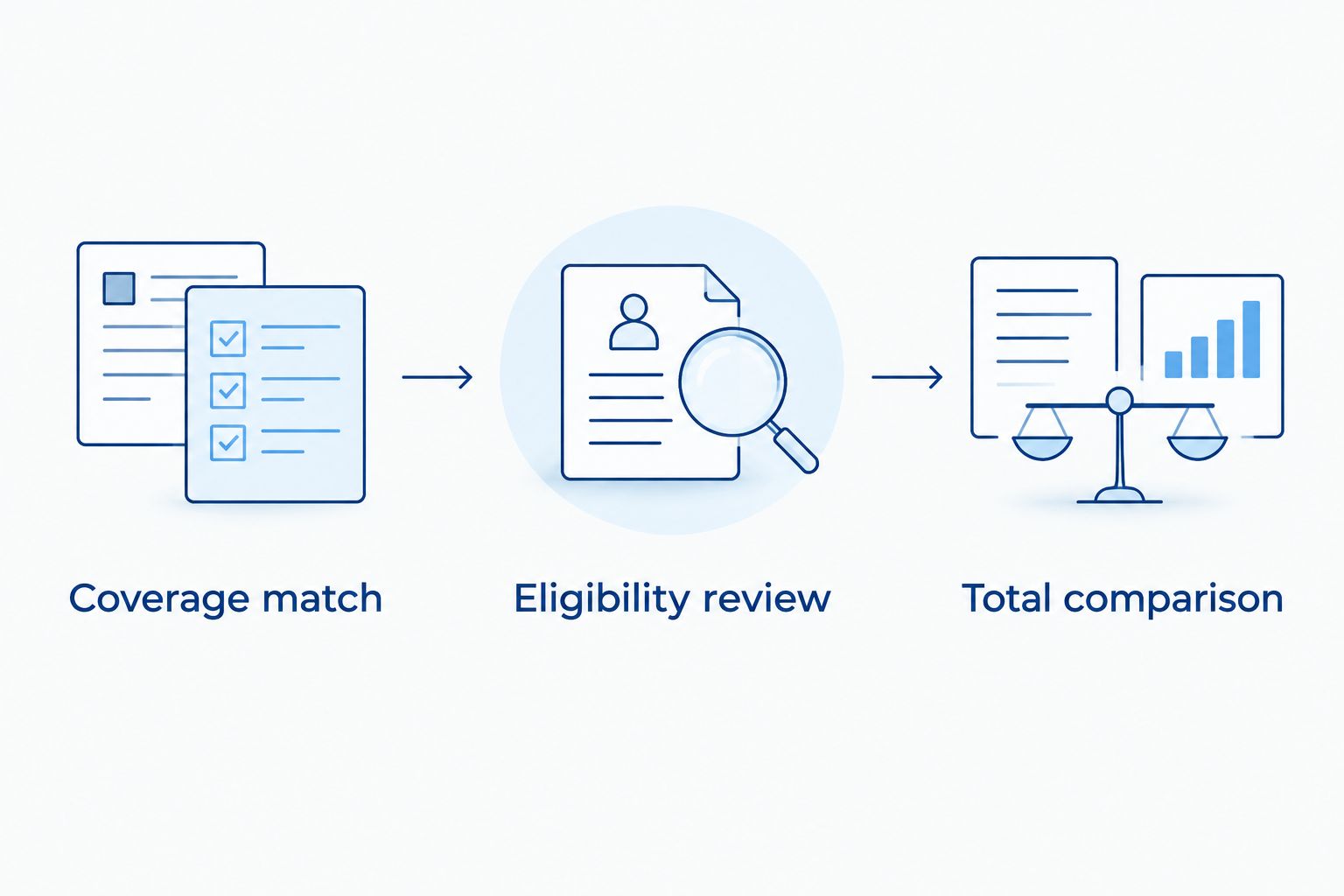
Request 2 matching quotes before choosing between policy arrangements. Compare each over a 12-month period, accounting for the actual policy terms and any payment-related charges. Schedule your review 30 days before renewal as a practical planning target, not a coverage deadline.
Use this sequence:
- Coverage match: Align liability limits, deductibles, drivers, vehicle use, and optional protection.
- Eligibility review: Confirm which discounts apply and what evidence each requires.
- Total comparison: Compare the full premium and conditions, then choose the better fit.
A discount should survive this comparison without requiring you to hide vehicle use, omit a driver, or accept protection you do not understand.
Bring your current policy details when you get a quote. Sanangelo-Insurance offers auto insurance agency services; ask which discount categories apply to the specific policies being discussed.
How these discounts are ranked
This ranking starts with existing household needs, then considers driving history, vehicle use, student eligibility, and additional participation requirements. It prioritizes a clear fit over an unsupported promise of the largest savings.
The order is a starting point, not a savings forecast. If you do not need home insurance, move past bundling and start with the category that matches your situation.
Which auto insurance discount should you choose?
Start with bundling if you need home and auto insurance; otherwise, check multi-car, driving-record, and mileage eligibility first. Add student, course, or monitoring options when their requirements fit your household.
For your 2026 decision, choose the policy with suitable protection and the better final premium. Sanangelo-Insurance is an independent auto insurance agency serving individuals and businesses in San Angelo; use the conversation to clarify policy differences before buying.
FAQ
What’s the best auto insurance discount for San Angelo drivers?
The best starting point depends on your household: check bundling if you need home and auto policies, multi-car eligibility for several vehicles, and low-mileage eligibility if you drive less. Compare final premiums with matching coverage rather than choosing the largest advertised discount.
Is bundling home and auto always better than separate policies?
No, bundling is not always the better choice. Compare the combined premiums and protection against separate policies, including the home policy’s deductibles and settlement terms.
Can I combine several car insurance discounts?
Combining discounts depends on the insurer’s rules. Ask which discounts can apply together and compare the resulting premium rather than adding advertised percentages yourself.
Do I need a tracking app to get a low-mileage discount?
A tracking app is not a universal requirement for every mileage-based discount. Ask the insurer what evidence it accepts and whether the option also evaluates driving behavior.
Will a defensive-driving course qualify me for a discount?
A course qualifies only when it meets the insurer’s requirements and you meet its eligibility rules. Confirm acceptance before enrolling and keep your completion certificate.
Can a usage-based program increase my premium?
Some usage-based programs can increase premiums based on recorded driving behavior. Read the specific program’s terms, including how leaving the program affects your policy.
What should I bring when comparing auto insurance quotes?
Bring your current policy details, driver information, vehicle information, and an accurate description of vehicle use. Matching coverage and household information makes the premium comparison more useful.
One last thing
A discount is a pricing feature, not insurance protection. Before accepting a policy, ask: “What changed besides the premium?”
Check the answer against your current liability limits, deductibles, covered drivers, and optional protection. If the quote is lower because coverage changed, decide whether that change serves your household before calling it a saving.
Related guides
