
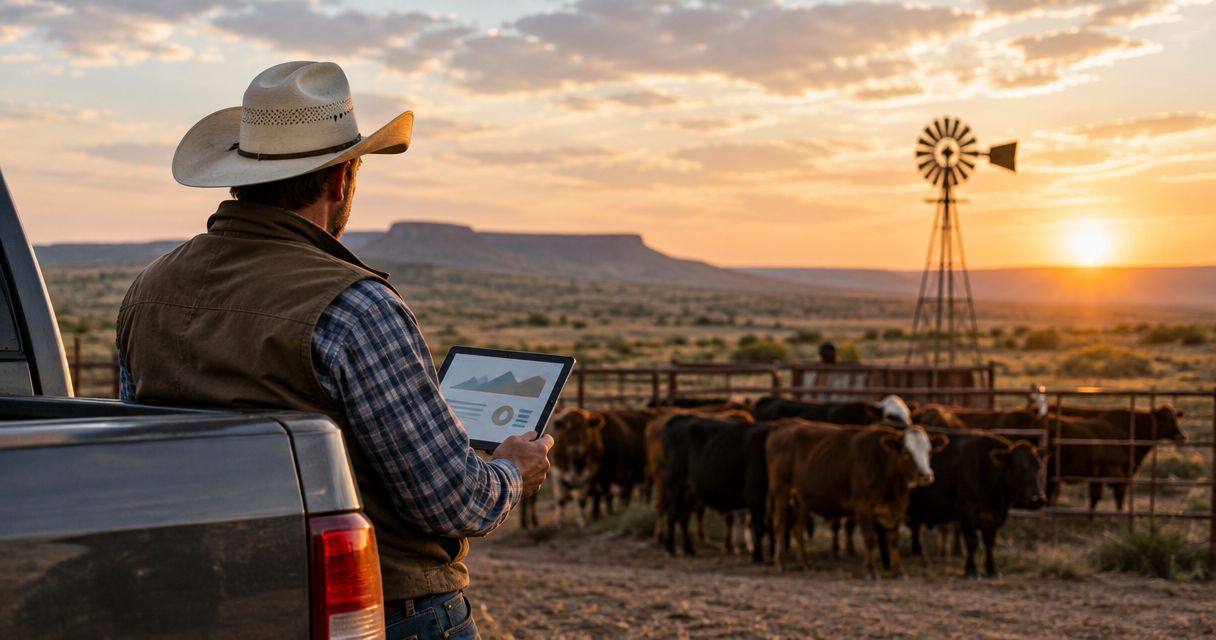
Best overall for mixed operations: a farm and ranch package. Best for third-party injury claims: farm liability. Best for equipment-focused protection: scheduled machinery coverage. The best farm and ranch insurance West Texas owners can choose in 2026 depends on what they own, how they earn income, and which losses they need covered—not the policy name alone.
- The best farm and ranch insurance West Texas choice for mixed operations starts with a farm package.
- Farm liability addresses covered third-party claims; it does not replace property or equipment protection.
- Compare machinery, livestock, and crop coverage separately rather than assuming a farm package includes everything.
- Sanangelo-Insurance offers independent-agency services for auto, home, and business insurance; confirm farm-specific options directly.
Why this matters
A ranch house, a tractor, cattle, and paying visitors create different insurance questions. Buying protection for one does not automatically cover the others. Your goal is to identify those differences before a claim makes them expensive.
Sanangelo-Insurance is an independent agency serving individuals and businesses in San Angelo with auto, home, business, life, and health insurance. For farm-specific coverage, confirm the agency's available options before treating it as a farm insurance provider.
This guide ranks coverage approaches by use case, not insurance companies by reputation. For your 2026 review, begin with your operation's actual activities and compare written coverage terms.
What makes the best farm and ranch insurance?
Use these criteria before you compare quotes:
- Property fit: The policy identifies the dwelling, barns, fences, machinery, and other property you need protected.
- Activity fit: The insurer knows about livestock, crops, leased land, visitors, and any separate business activity.
- Covered causes: The policy explains which losses it covers and which it excludes. Check wind, hail, fire, flood, and drought separately.
- Settlement terms: You understand replacement cost, depreciation, deductibles, limits, and any conditions attached to payment.
- Responsibility fit: Coverage matches who owns the property, who operates the business, and what your leases require.
- Clear coordination: Property, liability, vehicles, employees, and specialized coverage work together without relying on assumptions.
The strongest comparison uses the same property list and coverage requests for every quote. Otherwise, a smaller premium can simply reflect less protection.
Farm and ranch insurance options at a glance
| Rank and option | Best for | Standout feature | Key limitation |
|---|---|---|---|
| 1. Farm and ranch package | Mixed residential and agricultural operations | Can combine farm property and liability protection | Coverage depends on the selected forms and endorsements |
| 2. Farm liability | Owners focused on third-party injury or damage claims | Addresses covered legal liability connected with farm operations | Does not replace insurance on your own property |
| 3. Scheduled machinery coverage | Operations dependent on identified equipment | Lists specific machinery with agreed coverage details | Mechanical breakdown is a separate coverage question |
| 4. Livestock mortality coverage | Owners protecting identified animals against covered death losses | Focuses protection on animal losses described in the policy | Disease, illness, and other causes require close review |
| 5. Crop insurance | Crop producers managing eligible production or revenue risks | Uses crop-specific protection rather than general property coverage | Eligibility, deadlines, and covered causes vary by program |
1. Farm and ranch package: best for mixed operations
A farm and ranch package can bring selected property and liability coverages into one policy. It is the starting point when your home, outbuildings, equipment, and agricultural work need to be considered together.
The word package does not mean everything is included. Ask which buildings, activities, and property categories appear in the actual quote.
Farm and ranch package pros:
- Gives you a coordinated starting point for property and liability needs.
- Helps connect residential and agricultural exposures in one coverage discussion.
- Allows you to identify additional coverage needed for specialized activities.
Farm and ranch package cons:
- The label does not establish the scope of coverage.
- Vehicles, employees, crops, or particular livestock risks can require separate protection.
- Property limits and settlement methods still need individual review.
Best for: Owners whose residence and agricultural operation share a property or overlapping responsibilities.
Before choosing a package in 2026, ask the agent to identify every structure and explain whether its contents are included. A barn's insurance limit does not tell you whether the machinery inside it has adequate protection.
Verdict: Buy a farm and ranch package when the written coverage matches your mixed operation.
2. Farm liability: best for third-party claims
Farm liability addresses covered claims that your agricultural operation caused someone else's injury or property damage. It is different from coverage that repairs your own barn or replaces your own tractor.
Describe how people use the property. Visitors, rented acreage, boarding arrangements, and paid activities deserve separate questions because the activity itself affects the coverage discussion.
Farm liability pros:
- Focuses on claims made against you by other people.
- Can include defense against covered liability claims, subject to policy terms.
- Makes ownership, operations, and land-use responsibilities part of the application.
Farm liability cons:
- Does not replace property insurance for your own buildings or equipment.
- Does not automatically cover every business conducted on the land.
- Employee injuries and vehicle liability require separate attention.
Best for: Landowners and operators whose primary concern is responsibility for injuries or damage involving others.
Give the insurer a plain-language description of what happens on the land. “Ranch property” is less useful than explaining who works there, who visits, and whether anyone pays to participate in an activity.
Verdict: Buy farm liability for covered third-party risks; skip it as a substitute for property protection.
3. Scheduled machinery coverage: best for essential equipment
Scheduled machinery coverage identifies particular equipment rather than leaving you to rely on a broad description. The schedule and policy terms establish which items are insured and how losses are handled.
For equipment your operation depends on, review identification details, insured values, and where coverage applies. Do not assume protection follows machinery onto roads, borrowed land, or another person's jobsite.
Scheduled machinery coverage pros:
- Connects coverage to specifically identified equipment.
- Makes each listed item's value easier to review.
- Supports direct questions about transport, storage, and off-premises use.
Scheduled machinery coverage cons:
- New purchases and replacements require attention to reporting provisions.
- Wear, maintenance problems, and mechanical breakdown are not the same as insured accidental damage.
- Borrowed, rented, and attached equipment need their own coverage check.
Best for: Operations where losing a particular tractor, implement, or other machine would interrupt essential work.
For a 2026 review, gather model information, serial numbers, ownership details, and current supporting valuations. Tell the agent whether equipment is financed, leased, or used to perform work for others.
Verdict: Buy scheduled machinery coverage when individual equipment values and uses need explicit protection.
4. Livestock mortality coverage: best for identified animal losses
Livestock mortality insurance focuses on death losses involving covered animals and covered causes. It is not a promise to pay whenever an animal dies, becomes ill, or loses value.
Ask whether the proposed coverage applies to individually identified animals or a group. Then review the covered causes, exclusions, reporting duties, and valuation method.
Livestock mortality coverage pros:
- Addresses animal losses directly rather than treating livestock as an afterthought.
- Creates a specific discussion about animal identification and insured value.
- Lets you compare covered causes against the losses you actually want insured.
Livestock mortality coverage cons:
- Disease and illness coverage cannot be assumed.
- Veterinary expenses are not automatically included.
- Animal identification, health information, and claim notification requirements need careful attention.
Best for: Owners who need defined protection against covered death losses involving particular animals or livestock groups.
Keep animal-death protection separate from livestock price protection in your comparison. They address different financial losses, and one does not establish coverage for the other.
Verdict: Buy livestock mortality coverage only after the covered causes match your animal-loss concerns.
5. Crop insurance: best for crop production risks
Crop insurance addresses eligible agricultural production or revenue risks through the applicable policy or program. It belongs in a separate conversation from coverage for a house, barn, or tractor.
Federal crop insurance is administered through USDA's Risk Management Agency and approved insurance providers. Available coverage, eligibility, reporting requirements, and deadlines depend on the crop, location, and program.
Crop insurance pros:
- Addresses crop-related losses rather than general building or equipment damage.
- Provides a structured way to discuss production and revenue protection.
- Connects the coverage decision to the crop and acreage being insured.
Crop insurance cons:
- Not every crop, location, or loss fits every program.
- Enrollment and reporting deadlines require advance attention.
- It does not replace farm property, equipment, or liability coverage.
Best for: Producers whose income depends on crops and who need eligible production or revenue protection.
For 2026 coverage, confirm the applicable crop-year requirements with an authorized provider. Do not wait for a damaging weather event to ask whether enrollment is still possible.
Verdict: Buy crop insurance when your production qualifies and the selected protection matches your income risk.
How these options were ranked
The order follows the criteria above: breadth of property and activity fit first, then distinct liability, machinery, animal, and crop needs. A farm and ranch package ranks first for mixed operations because it creates a starting point for coordinating several coverage categories.
This is not a carrier ranking, a claims-service comparison, or a premium comparison. A crop producer or an owner of valuable livestock can reasonably put specialized coverage ahead of the package discussion.
How to compare quotes without overlooking gaps
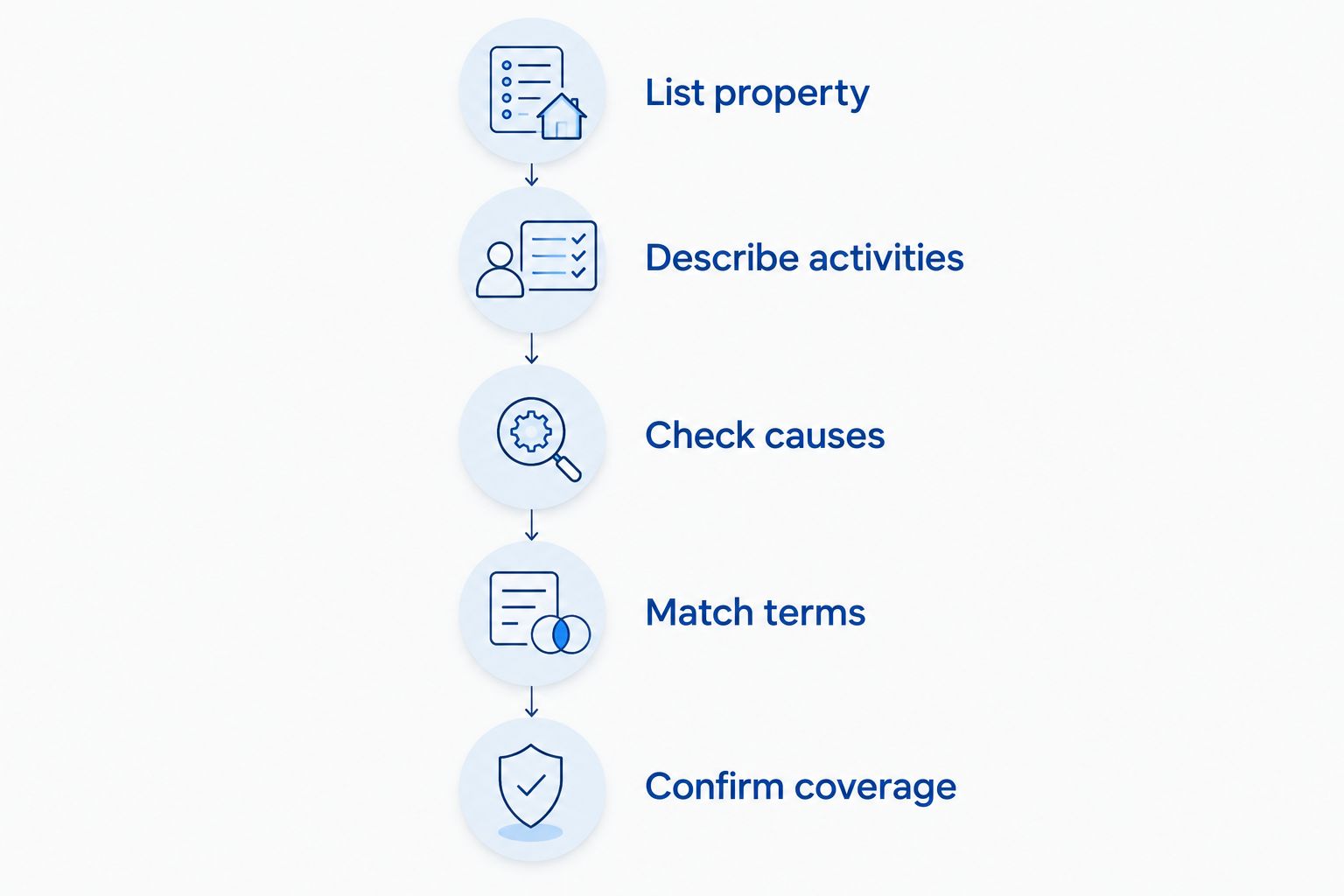
Use the same checklist for every agent or insurer:
- List property: Identify buildings, contents, equipment, livestock, and any property owned by someone else.
- Describe activities: Include agricultural work, visitors, rentals, paid services, and separate businesses.
- Check causes: Ask about the specific losses you want covered, including weather-related damage.
- Match terms: Compare deductibles, limits, exclusions, settlement methods, and reporting duties.
- Confirm coverage: Ask for the documents that show what is insured and when coverage takes effect.
Ask for at least 2 comparable quotes, review 12 months of operating changes, and check each policy's 1-year term if an annual term is proposed. These are comparison steps, not claims about what any insurer requires.
Sanangelo-Insurance offers local independent-agency services, but you should establish whether the agency can arrange the farm-specific protection you need. Use the contact page to describe your operation before requesting a particular policy.
Ask about your coverage needs
Describe your property and activities, then confirm which farm-specific options the agency can arrange.
Which farm and ranch insurance should you choose?
Start with a farm and ranch package if your home and agricultural operation need coordinated protection. Add or compare specialized coverage where the package leaves a material gap.
Choose by the loss you need help recovering from: another person's injury, damaged equipment, an animal's death, or a failed crop. Those are different problems. A familiar policy name is not evidence that all of them are covered.
FAQ
What’s the best farm and ranch insurance in West Texas?
A farm and ranch package is the starting choice for mixed residential and agricultural operations. The best fit depends on the property, activities, covered causes, limits, and exclusions shown in the policy.
Does homeowners insurance cover a working ranch?
Do not assume homeowners insurance covers a working ranch. Describe the agricultural activities and property to the insurer and ask which exposures require farm or other specialized coverage.
Does farm insurance cover drought?
Drought coverage depends on the specific policy or agricultural program. Do not treat general farm property coverage as proof that crop, pasture, or livestock losses caused by drought are insured.
Is farm liability the same as farm property insurance?
No. Farm liability addresses covered claims involving injury or damage to others, while farm property coverage addresses covered losses to insured property.
Will machinery insurance pay when my tractor breaks down?
Machinery coverage does not automatically insure mechanical breakdown. Check the covered causes and exclusions, and ask whether separate equipment breakdown protection applies to the machine and loss involved.
Can Sanangelo-Insurance help with farm insurance?
Confirm farm-specific options directly with Sanangelo-Insurance. The agency offers auto, home, business, life, and health insurance services, but farm policy availability must be established before you rely on it.
How should I compare farm insurance quotes in 2026?
Give each provider the same property list, activity description, and requested coverage. Then compare limits, deductibles, covered causes, exclusions, and settlement terms rather than the premium alone.
One last thing
A property description is not a coverage promise. Before you accept a quote, ask the agent to point to the wording that covers your most important building, machine, activity, or animal-loss concern.
For your 2026 review, bring that question to Sanangelo-Insurance alongside your property list. A clear answer helps you decide what to buy—and what still needs a separate conversation.
Related guides
