
Best overall for protecting artwork: fine art insurance. Best for visitor injury claims: general liability. Best operating foundation: a business owner’s policy paired with artwork-specific coverage. This 2026 guide compares coverage options for Texas galleries, including consigned work, exhibitions, shipments, and employees.
- The best insurance for art galleries Texas owners choose separates artwork protection from visitor liability.
- Fine art insurance is the first coverage to examine for owned, borrowed, and consigned artwork.
- A business owner’s policy addresses operating risks; confirm artwork coverage separately.
- Sanangelo-Insurance offers business insurance agency services for owners seeking local guidance in San Angelo.
Why this matters
A gallery holds more than inventory. It holds artists’ property, welcomes visitors, and moves fragile objects between locations. Those activities create different insurance needs; one policy name does not establish that every activity is covered.
Sanangelo-Insurance is an independent agency offering business insurance services in San Angelo, Texas. For gallery insurance, start the conversation with what you own, what belongs to others, and where the artwork travels—not just your lease requirements.
Choose coverage around custody of the artwork, not just ownership of the building. That distinction matters when a consigned painting is damaged but your furniture and fixtures remain untouched.
What makes the best insurance for a Texas art gallery?
Use these criteria when comparing proposals in 2026:
- Property ownership: Identify protection for gallery-owned, borrowed, and consigned artwork separately.
- Valuation: Check how the insurer establishes an artwork’s value before and after a loss.
- Covered locations: Match coverage to the gallery, storage spaces, temporary exhibitions, and travel.
- Damage exclusions: Read restrictions involving breakage, water, deterioration, handling, and unexplained disappearance.
- Liability scope: Separate visitor injuries from damage to artwork entrusted to the business.
- Recovery needs: Consider lost income, continuing expenses, and employee injuries alongside physical damage.
Ask for the relevant policy wording with each proposal. A verbal assurance that artwork is covered does not explain the limit, deductible, exclusions, or settlement method.
Gallery insurance options at a glance
The ranking below prioritizes artwork protection first, then the operating risks surrounding it. These options generally complement one another rather than replace one another.
| Coverage option | Best for | Standout protection | Key limitation |
|---|---|---|---|
| Fine art insurance | Owned, borrowed, and consigned artwork | Coverage designed around art and its valuation | Covered property, causes of loss, and locations need confirmation |
| General liability insurance | Visitor injuries and covered third-party claims | Liability protection for public-facing operations | Does not replace insurance on entrusted artwork |
| Business owner’s policy | Gallery premises and everyday operations | Combines eligible property and liability coverages | Standard property terms need checking against art exposures |
| Transit and exhibition coverage | Shipments, fairs, and temporary displays | Protection addressing artwork away from the main gallery | Packing, transport, and location conditions vary |
| Business interruption coverage | Income disruption after covered damage | Addresses covered income loss and continuing expenses | Not a general guarantee against lost sales |
| Workers’ compensation insurance | Galleries with employees | Benefits for covered work-related injuries or illnesses | Does not insure visitors, artwork, or ordinary business losses |
1. Fine art insurance: best for protecting the collection
Fine art insurance is the strongest starting point when artwork is the gallery’s central exposure. Depending on the contract, coverage can address work the gallery owns, work accepted on consignment, and pieces borrowed for an exhibition.
Do not treat those categories as interchangeable. The policy must identify whose property is insured and how payment is determined after damage, theft, or another covered loss.
Fine art insurance pros:
- Addresses artwork rather than relying only on general business property terms.
- Allows valuation arrangements to be examined alongside consignment obligations.
- Can address specified locations and activities when included in the contract.
Fine art insurance cons:
- Exclusions and handling conditions still restrict coverage.
- Incomplete inventories or unclear values complicate loss documentation.
Best for: Galleries responsible for original artwork, especially consigned or borrowed pieces.
Before your 2026 renewal, compare the policy’s settlement wording with your artist agreements. Ask specifically about restoration expenses and any remaining reduction in value after restoration; do not assume both are included.
Verdict: Buy artwork-specific protection when your gallery owns or accepts responsibility for art.
2. General liability: best for visitor injury claims
General liability addresses covered claims involving bodily injury, property damage, and certain other liabilities arising from business operations. A visitor slipping during an opening is a different insurance problem from damage to a painting hanging nearby.
Tell the insurer about receptions, off-site events, and other activities beyond ordinary viewing hours. If alcohol is served, ask which liability coverage applies rather than assuming the standard policy answers that exposure.
General liability pros:
- Addresses covered injury claims involving visitors.
- Includes defense protection subject to policy terms.
- Helps address liability requirements in leases or event agreements.
General liability cons:
- Property in your care, custody, or control can be excluded or restricted.
- Separate exposures can require additional coverage.
Best for: Galleries welcoming customers, artists, contractors, and event guests.
Have Sanangelo-Insurance review the business insurance requirements in your lease alongside the proposed coverage. Meeting a landlord’s requirement does not establish that the gallery’s entire operation is insured.
Verdict: Buy for public-facing operations; never use it as a substitute for fine art coverage.
3. A business owner’s policy: best for everyday operations
A business owner’s policy, often called a BOP, combines business property and general liability coverage for eligible businesses. Depending on its terms, it can also include business income protection.
For a gallery, this provides an operating foundation for items such as furniture, office equipment, and fixtures. Artwork still requires its own review because property definitions, limits, and valuation terms determine what is actually protected.
Business owner’s policy pros:
- Groups several operating coverages within one policy.
- Addresses premises and business property exposures.
- Provides a starting point for discussing additional coverage.
Business owner’s policy cons:
- Eligibility and coverage options differ among insurers.
- Artwork needs can exceed standard property provisions.
Best for: Eligible galleries needing coordinated premises, property, and liability protection.
Separate building ownership from tenant responsibilities. A landlord’s building policy does not establish protection for your gallery’s contents, improvements, or artwork.
Verdict: Buy as an operating foundation when eligible; check the artwork provisions separately.
4. Transit and exhibition coverage: best for artwork away from the gallery
Transit and exhibition coverage addresses the point where artwork leaves its usual location. It can be part of a fine art policy or arranged separately, depending on the insurance contract.
Map the complete journey: collection, packing, loading, transport, temporary storage, display, and return. Confirm when your responsibility begins and ends under both the insurance policy and the agreement with the artist or buyer.
Transit and exhibition coverage pros:
- Addresses artwork exposures beyond the main premises.
- Supports review of temporary exhibition locations.
- Makes shipping and custody responsibilities explicit.
Transit and exhibition coverage cons:
- Packing methods, carriers, or unattended vehicles can be restricted.
- Territorial limits and temporary locations need checking.
Best for: Galleries shipping sales, attending fairs, or lending artwork for exhibitions.
Do not assume a carrier’s liability terms equal the artwork’s insured value. Ask who must arrange coverage and which documents establish the work’s condition before departure.
Verdict: Buy when artwork travels; confirm the full journey rather than just the destination.
5. Business interruption: best for income after covered damage
Business interruption insurance addresses covered income loss and continuing expenses when qualifying damage disrupts operations. The policy determines the covered cause, applicable waiting period, and length of protection.
A gallery closure can interrupt appointments and sales while rent or other expenses continue. That does not mean every cancellation, slow month, or inaccessible exhibition qualifies for payment.
Business interruption coverage pros:
- Addresses a financial exposure beyond repairing damaged property.
- Can help cover specified continuing operating expenses.
- Encourages a documented recovery plan.
Business interruption coverage cons:
- Coverage depends on the policy’s triggering conditions.
- Waiting periods, limits, and restoration terms restrict payment.
Best for: Galleries whose income depends on an operating exhibition space.
For your 2026 review, ask how seasonal exhibitions and irregular sales are documented in a claim. Keep records that distinguish sales revenue from the gallery’s actual financial interest in consigned work.
Verdict: Buy when a covered closure would threaten operating cash flow.
6. Workers’ compensation: best for employee injury protection
Workers’ compensation provides benefits for covered work-related injuries and illnesses. Gallery duties can include lifting frames, installing exhibitions, moving crates, and working from ladders—not just greeting visitors.
Texas generally allows most private employers to choose whether to carry workers’ compensation, but exceptions and contractual requirements exist. Choosing not to carry it creates separate responsibilities and legal exposures; it is not simply the same protection without a policy.
Workers’ compensation pros:
- Addresses covered employee injury and illness expenses.
- Supports benefits for eligible work-related wage loss.
- Separates employee injury protection from visitor liability.
Workers’ compensation cons:
- Does not cover damage to artwork or ordinary operating losses.
- Employee duties and payroll classifications require accurate reporting.
Best for: Galleries employing staff, particularly those handling or installing art.
Describe actual duties, including occasional installation work. Calling everyone sales staff does not accurately describe an employee who also moves sculpture or hangs heavy pieces.
Verdict: Buy for employee injury protection; review Texas requirements and contracts before opting out.
How these coverage options were ranked
The ranking follows the gallery’s responsibilities: protect artwork, address visitor claims, insure operations, follow the art off-site, protect income, and address employee injuries. It is a coverage-priority guide, not an insurer rating.
A gallery without employees has a different workers’ compensation decision from a staffed exhibition space. A gallery that ships frequently needs more attention to transit than one whose artwork stays on-site. Your actual activities determine the final combination.
Prepare your gallery insurance request
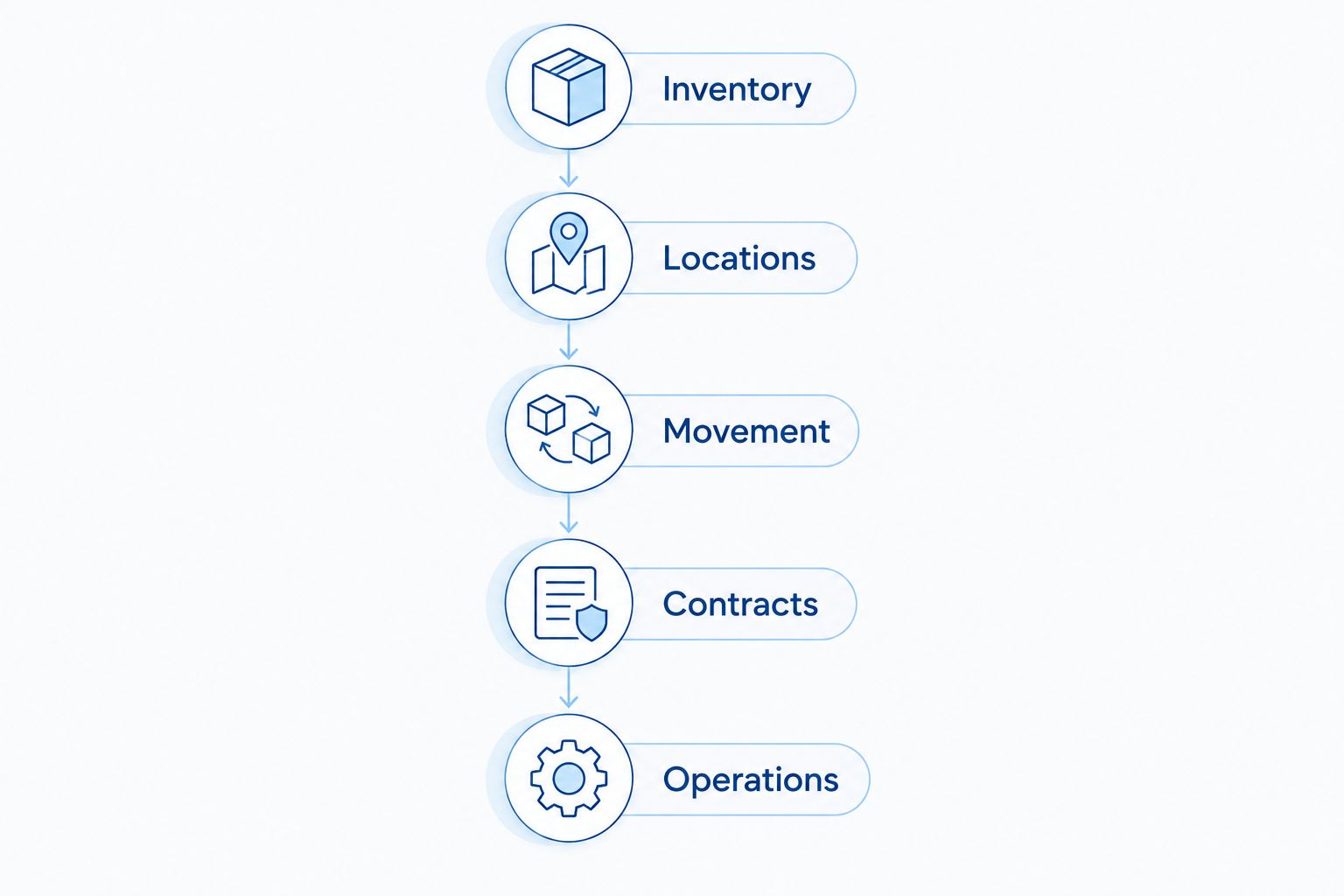
Give Sanangelo-Insurance a business insurance request that describes the whole operation. Use this sequence to make proposals easier to compare:
- Inventory: Identify owned, borrowed, and consigned pieces, with values and supporting records.
- Locations: List the gallery, storage spaces, and planned temporary displays.
- Movement: Explain shipping, collection, delivery, and installation responsibilities.
- Contracts: Gather artist agreements, leases, and exhibition requirements.
- Operations: Describe staffing, public events, and the income impact of closure.
Keep these categories separate. A proposal that answers only the inventory question leaves the gallery’s visitors, employees, and recovery needs unresolved.
For your records, gather 3 document types for each piece: ownership or consignment evidence, condition photographs, and valuation support. Keep at least 1 backup copy outside the gallery’s premises. Schedule a full review every 12 months, then update the insurer when a significant exhibition, location, or shipping arrangement changes.
Discuss your gallery’s business coverage
Share your artwork, premises, shipping, and staffing needs before comparing policy options.
Which coverage should you choose?
Start with fine art insurance plus general liability, then build the operating coverage around your gallery. Consider a BOP for eligible premises and business exposures; confirm transit, income protection, and employee coverage separately.
For a 2026 coverage decision, ask for written answers to the same questions from every insurer. A shorter proposal is not better if it leaves consigned artwork or temporary exhibitions unexplained.
Sanangelo-Insurance is a local option for San Angelo gallery owners seeking independent business insurance guidance. Ask about the availability and terms of artwork-specific protection rather than assuming a general business policy includes it.
FAQ
What’s the best insurance for an art gallery in Texas?
Fine art insurance is the starting point for artwork protection, paired with general liability for public-facing operations. Add premises, transit, income, and employee coverage according to the gallery’s activities.
Does a business owner’s policy cover consigned artwork?
A business owner’s policy does not automatically establish adequate coverage for consigned artwork. Check covered-property definitions, property-of-others provisions, limits, exclusions, and valuation wording.
Is fine art insurance better than general liability?
Fine art insurance and general liability address different risks. Fine art coverage concerns insured artwork, while general liability addresses covered third-party claims such as visitor injuries.
Is artwork covered while it is being shipped?
Artwork is covered during shipping only when the applicable policy includes that transit exposure and its conditions are met. Confirm packing, carrier, territory, temporary storage, and custody requirements before dispatch.
Do Texas art galleries have to carry workers’ compensation?
Most private Texas employers can choose whether to carry workers’ compensation, but exceptions and contractual requirements exist. Review the gallery’s circumstances and the responsibilities associated with operating without coverage.
Does gallery insurance cover flood damage?
Flood protection depends on the specific policy; standard commercial property insurance generally excludes flood. Ask separately about flood coverage for premises, contents, and artwork rather than assuming one answer applies to all three.
What information should I gather before requesting gallery insurance?
Gather artwork inventories, values, condition records, consignment agreements, location details, and shipping procedures. Include staffing duties, event activities, and lease or exhibition insurance requirements.
One last thing
Photograph the back of the artwork, not just the front. Labels, signatures, framing details, and condition marks help connect an inventory entry to the actual object. Update those records before a loan or shipment, when documenting condition is easier than reconstructing it after damage.
Related guides
- Commercial auto insurance for Texas small businesses
- Business insurance options for Texas LLCs and startups
